



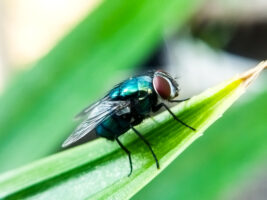
In the June 3rd U.S. Department of Agriculture (USDA) report, the presence of New World screwworm (NWS) was confirmed in a calf in Zavala County, Texas. This marks the first confirmed detection of the pest in the United States since eradication was achieved in the United States in 1966. This has prompted immediate containment and eradication efforts from federal and state animal health officials.
While the detection is concerning for livestock producers, USDA officials emphasize that extensive response plans are already underway to prevent the pest from becoming established in the United States.
What is New World Screwworm?
New World screwworm is a parasitic fly whose larvae feed on the living tissue of warm-blooded animals. Unlike other fly species that target dead tissue, screwworm larvae infest open wounds, the navels of newborn animals, and other vulnerable areas.
If left untreated, infestations can cause severe tissue damage, infections, and even death. Livestock, wildlife, pets and, in rare cases, humans can be affected.
The pest was successfully eradicated from the United States decades ago through a coordinated eradication program that relied heavily on the release of sterile flies.
USDA Responds to Texas Detection
Following confirmation of the case, USDA and Texas animal health officials quickly implemented response measures designed to contain and eliminate the pest.
Current actions include:
- Establishing quarantine and control zones around the affected area
- Increasing surveillance and trapping efforts
- Restricting movement of potentially affected animals when necessary
- Coordinating with state and local animal health agencies
- Expanding public outreach and producer education
USDA officials have indicated that the confirmed case currently appears isolated, but monitoring efforts remain ongoing.
Why This Matters for Livestock Producers
The reappearance of New World screwworm poses a significant concern for cattle producers and other livestock operations. The parasite can spread through wounds and rapidly impact animal health if infestations are not detected early.
Producers should pay close attention to:
- Open wounds that do not heal normally
- Unusual irritation or discomfort in animals
- Signs of larvae in wounds or navels
- Changes in feeding behavior or overall condition
Prompt veterinary attention and reporting of suspected cases are critical to preventing further spread.
Sterile Fly Program Remains a Key Defense
One of the most effective tools used against New World screwworm is the Sterile Insect Technique (SIT).
Under this approach, sterile male flies are released into affected areas. Because female screwworm flies typically mate only once, mating with sterile males prevents future generations from developing.
This strategy played a major role in eliminating the pest from the United States and remains a cornerstone of current eradication efforts. USDA continues to invest in additional sterile fly production capacity and response infrastructure to address the current threat.
Staying Vigilant Moving Forward
Although the confirmed Texas detection has raised concerns throughout the livestock industry, USDA officials are actively working to contain and eradicate the pest before it can spread further.
For livestock producers, regular herd inspections, proper wound management, and prompt reporting of suspicious cases remain important steps in protecting animal health.
For more agricultural news and updates impacting today's farming operations, connect with your local John Deere dealer and browse the latest available resources.